

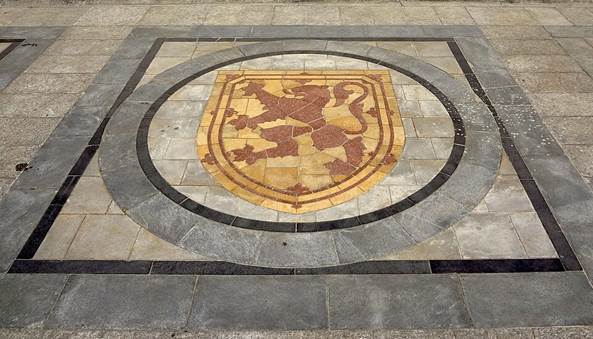
Enrolment is now open for the new University of the Highlands and Islands Early Modern European Studies (EMES) MLitt.
Following the announcement a few weeks ago about our new Early Modern European Studies (EMES) MLitt, we are excited to report that enrolment for September 2025 and January 2026 is now open! To book your place, visit the UHI course website.
For those still wondering if this programme is right for them, we’ve pulled together an outline of the MLitt’s key features. We have also created a short introductory video, which is available via the INS YouTube channel or view below.
The EMES programme has been designed to provide students with an overarching understanding of the European early modern period, while allowing for individual specialisation and interest. All EMES students will complete the three core modules (see below), qualifying for the award of a Postgraduate Certificate [PGCert] (60 credits total).
Those students who complete an additional three optional modules will be awarded a Postgraduate Diploma [PGDip] (120 credits total). To be awarded a MLitt, students must complete the previous requirements in addition to a research dissertation (180 credits total).
| PGCert (60 credits) | PGDip (120 credits) | MLitt (180 credits) |
| Early Modern Studies: Debates and Practice (CORE) | Optional module from the available pool (OPTIONAL) | EMES Dissertation (CORE- 60 credits) |
| Faith, Fury and Fraternity: The Making of Modern Europe, 1500-1800 (CORE) | Optional module from the available pool (OPTIONAL) | |
| Migration, Community and Identity in Early Modern Northern Europe (CORE) | Optional module from the available pool (OPTIONAL) | |
| 3 modules (20 credits each) | 6 modules (20 credits each) | 7 modules (including the triple-weighted dissertation) |
Early Modern Studies: Debates and Practice is a multidisciplinary team-taught module where students will be exposed to different methods, sources and bodies of scholarship. From court studies and theology to early modern excavations and palaeography, this module introduces the key skills which students will develop and specialise in over the programme. In Faith, Fury and Fraternity students will research and debate important themes and events of the early modern period, including the impact of the Reformations, the influence of the Ottoman Empire and the legacy of the Enlightenment. Meanwhile, in Migration, Community and Identity in Early Modern Northern Europe students will examine the early modern migrant’s experience, analysing the formation of foreign communities in places around the North Sea and Baltic region.
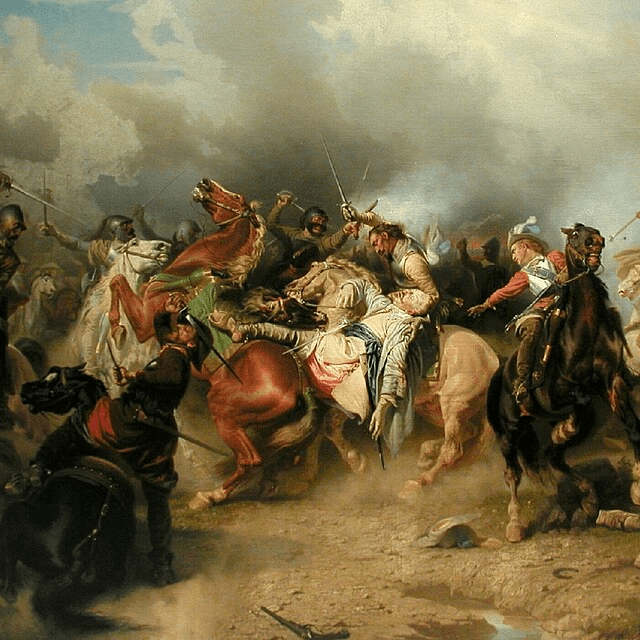
Those looking to graduate with the full MLitt must also complete the EMES Dissertation which will combine and test the skills accrued across the other modules. Supported by training workshops and working closely with a chosen supervisor, dissertation students will carry out their own research project which will be written-up in a 15,000-word report.
Those completing the PGDip or MLitt will also choose three options from a range of optional modules offered by Northern Studies, History, Archaeology, Theology and Literature. For 2025/26, these choices are listed below.
| Semester | Module Name |
| Semester 1 & 2 (runs twice a year) | Discovering the Past: Introduction to Interdisciplinary Research Methods |
| Semester 1 | Scotland’s Customs: Traditional Beliefs and Folklore |
| Semester 1 | Arguments and Alternatives in History |
| Semester 1 | Castles in Context – from Medieval to Modern |
| Semester 1 | Archaeology of the Highlands & Islands |
| Semester 1 | Human Remains in Archaeology |
| Semester 1 | Culture and Society: Historical Developments |
| Semester 1 | Case Studies in Renaissance Drama |
| Semester 2 | The Wars of the Covenant: Scotland and the British Civil Wars, 1638-1655 |
| Semester 2 | Rivers, Ports and Coasts in European History |
| Semester 2 | Royal Power, Propaganda and Performance in Early Modern Europe |
| Semester 2 | Introduction to Palaeography and Languages for North Atlantic History |
| Semester 2 | Maritime Lives: The Scottish Northern Isles during the Early Modern Period |
| Semester 2 | Darkness, division, and discord? The Highlands, 1603-1707 |
| Semester 2 | Renaissance Venice: Lagoon, City and Empire |
| Semester 2 | Scottish Historical Archaeology |
| Semester 2 | Excavation* |
*Please note that Excavation requires in-person attendance in Orkney and is therefore not available for online international students.
No matter whether you’re aiming for a PGCert or a MLitt, students can complete their programme full time (c.35hrs/week), part time (c.17.5hrs/week) or via an unstructured approach, which allows you to tackle one module at a time. All modules, apart from Excavation, are delivered fully online and can be completed asynchronously – meaning that, no matter where in the world you are, you can work through your classes at a time and pace which suits you.
For more information about the course and for full module details, visit the programme’s information page on the INS website. If you have any questions or would like to discuss your options, feel free to contact Dr Andrew Lind who is the EMES programme leader.

 Odin's Eye Blog
Leave a reply to REMRA Conference was a Resounding Success – Odin's Eye Blog Cancel reply